Best Budget Instant Cameras for Field Wildlife Work
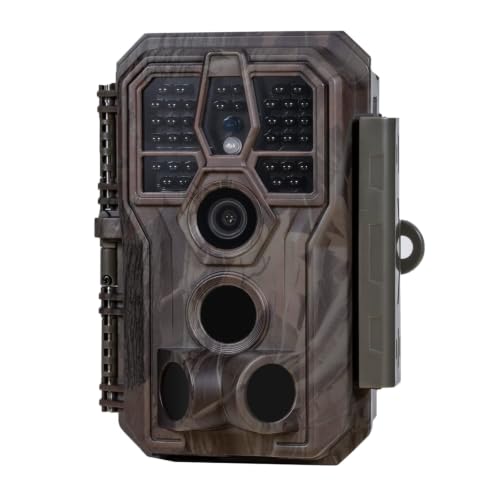
Seven cheap cameras that shoot outdoors, split into two very different groups: motion-triggered trail cams that watch a trail for weeks, and print-on-the-spot cameras that hand you a 2x3 sheet. Here's which one your fieldwork actually needs.

By Sam BaileyUpdated 18 min read
On this page
- Best budget instant camera for wildlife photographers at a glance
- Instant print or motion trigger: which one do you need?
- How I screened these seven listings
- Why megapixels mislead in this category
- 1. GardePro E5S Trail Camera — Best overall
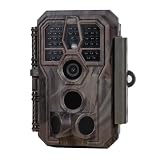
- 2. Meidase P70 (Non-Cellular) — Best for heavy use
- 3. KODAK Printomatic Full-Color Instant Print Digital Camera — Best for beginners
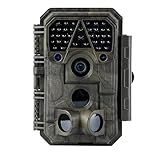
- 4. WOSPORTS Mini Trail Camera — Best budget pick
- 5. ESOXOFFORE Kids Camera Instant Print — Best for families
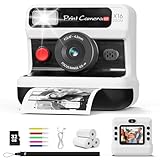
- 6. CalineGam Kids Instant Print Camera — Most versatile
- 7. KODAK Mini Shot 2 Retro 2x3 Instant Camera — Best premium
- What the listings don't tell you about paper and batteries
- When a different pick wins
- The verdict
- FAQ
The best budget instant camera for wildlife photographers is the GardePro E5S Trail Camera, because a 0.1-second claimed trigger and an IP66 rating matter more in the field than any print feature, and its 0.66 lb body straps to a tree in seconds. If you specifically need paper in your hand on site, the KODAK Printomatic prints 2x3" sheets straight from a 5MP sensor instead. Most buyers compare megapixel counts here. That's the wrong axis. Two of these seven claim 64MP and one claims 5MP, and the 5MP camera is the only one of that trio that hands you a physical photograph.
Best budget instant camera for wildlife photographers at a glance
| Pick | Key capability | Weatherproof? | Price |
|---|---|---|---|
Best overall GardePro E5S Trail Camera |
64MP claim 0.1s trigger claim |
IP66 claim | Check Price |
Best for heavy use Meidase P70 (Non-Cellular) |
64MP claim 100ft no-glow claim |
Waterproof claim | Check Price |
Best for beginners KODAK Printomatic Instant Print Camera |
5MP, f/2 lens 2x3" Zink prints |
No rating listed | Check Price |
Best budget pick WOSPORTS Mini Trail Camera |
30MP claim 850nm IR |
Waterproof claim | Check Price |
Best for families ESOXOFFORE Kids Camera Instant Print |
1080p video 16x digital zoom |
No rating listed | Check Price |
Most versatile CalineGam Kids Instant Print Camera |
Dual lens, 32GB 3 paper rolls |
No rating listed | Check Price |
Best premium KODAK Mini Shot 2 Retro Instant Camera |
4PASS printing 38 sheets included |
No rating listed | Check Price |



Instant print or motion trigger: which one do you need?
This is the fork in the road, and it decides everything else. Amazon's search for the best budget instant camera for wildlife photographers returned two different product types, and only you know which one your fieldwork needs.
Four of these seven print on paper. Three of them watch a trail on their own. No camera here does both.
- Motion-triggered trail cameras: GardePro E5S, Meidase P70, WOSPORTS Mini. These strap to a tree, fire when something walks past, and store frames to an SD card. You come back days later. All three publish a waterproof or IP66 claim.
- Instant print cameras: KODAK Printomatic, KODAK Mini Shot 2 Retro, ESOXOFFORE, CalineGam. These need a finger on the shutter and hand you a physical sheet. None publishes a weather rating.
That gap matters more than any specification. A wildlife photographer's real problem is presence: animals leave when you arrive. A trail camera solves presence. A print camera solves documentation, which is a different job entirely, and a genuinely useful one if you're logging sites for a landowner or a survey group.
The word "instant" in the keyword pulls hard toward print, so be honest with yourself about it. If you want a photograph of a fox at 2am, no printing camera in this set will get it. If you want to hand a volunteer a paper record of a nest box before you drive off, no trail camera will.
How I screened these seven listings
I lined up every published specification side by side and cut on outdoor viability first, then on what each camera actually does when unattended.
Three screens did the work:
- Weather protection as published. Three of the seven state a waterproof or IP66 claim. Those three become the outdoor picks, full stop. The four print cameras stay in the set because they answer the "instant" half of the keyword, but none of them is described as weather-resistant in its listing.
- Trigger and detection. GardePro and Meidase both claim 0.1s trigger speeds. GardePro's listing describes three PIR sensors, Meidase's describes side sensors and 940nm no-glow LEDs. WOSPORTS lists 850nm IR, which is the older visible-glow wavelength. That single number separates the cheapest trail camera from the other two.
- Published warranty. Five of the seven state one: 1 year for GardePro, Meidase, KODAK Printomatic and CalineGam, 6 months for ESOXOFFORE. WOSPORTS and the KODAK Mini Shot 2 Retro list none. For gear that spends winters bolted to a beech tree, that's a real strike.
What didn't get weight: megapixel figures, colour options, and any bundled-sheet count. See the next section for why the first of those misleads so badly.
Why megapixels mislead in this category
Megapixels are the specification every listing shouts and the one that decides least. Here's the trick with the best budget instant camera for wildlife photographers: the sensor number and the picture you actually get are barely related on cheap gear.
Two cameras here claim 64MP. Both are trail cameras with fixed lenses shooting through plastic, and both use interpolation to reach that figure, which is standard in this category. Meanwhile the KODAK Printomatic claims 5MP behind an f/2 lens, and 5MP is more than a 2x3" print will ever resolve. The number stopped mattering the moment the paper size was fixed.
What actually decides it, in order:
- Trigger latency. A camera that fires in 0.1s catches a deer mid-stride. One that takes a full second catches its tail. GardePro and Meidase both claim 0.1s.
- IR wavelength. 940nm is invisible to most mammals. 850nm produces a faint red glow that some animals notice and learn from. Meidase specifies 940nm no-glow; WOSPORTS specifies 850nm.
- Lens aperture. Meidase claims f/1.6, the widest published figure in this set, and the Printomatic claims f/2. Wide apertures buy usable frames at dusk, which is when most mammals move.
- Weather rating. IP66, as GardePro claims, means dust-tight and protected against heavy water jets.
Ignore the megapixel count. Compare trigger, wavelength and aperture instead.
1. GardePro E5S Trail Camera — Best overall
The E5S is the strongest all-round pick here because it pairs the fastest published trigger claim with the only stated IP66 rating in the set, in a 0.66 lb body.
Best for: watching one trail or feeder unattended for weeks Skip it if: you need a physical print in your hand on site
The differentiator here is the sensor arrangement. GardePro's listing describes three PIR sensors feeding a 0.1s trigger claim, and the practical effect of multiple sensors is a wider detection arc, so an animal entering from the side gets caught rather than half-caught. Only one other camera in this set claims 0.1s, and it doesn't specify a three-sensor layout.
The rest of the specification sheet reads like gear meant to be forgotten about. IP66 is the only weather rating stated in the whole set. A 1/4"-20 mounting thread means it accepts standard tripod hardware, not just the bundled strap, which matters if you're clamping to a fence post rather than a trunk. At 5.6 x 4.2 x 2.4 in and 0.66 lb it's the lighter of the two 64MP trail cameras. Eight AA batteries run it, and the listing notes support for a separately sold solar panel.
The trade-off is the whole reason you're reading this guide: it prints nothing. Its own listing describes the workflow as pulling the SD card and looking later. It also sits at the middle of this field on price with the shortest published dimensions but a 1-year warranty rather than anything longer.
Pros:
- 0.1s trigger speed claim, fastest published here
- Only pick with a stated IP66 rating
- Three PIR sensors for a wider detection arc
- 1/4"-20 thread accepts standard mounts
- 1-year manufacturer warranty stated
Cons:
- No printing of any kind
- Batteries and solar panel both sold separately
- Only one seller lists it
- Requires a return trip to see any footage
2. Meidase P70 (Non-Cellular) — Best for heavy use
The P70 is the night specialist, claiming 940nm no-glow LEDs at 100ft and an f/1.6 lens, the widest aperture published in this set.
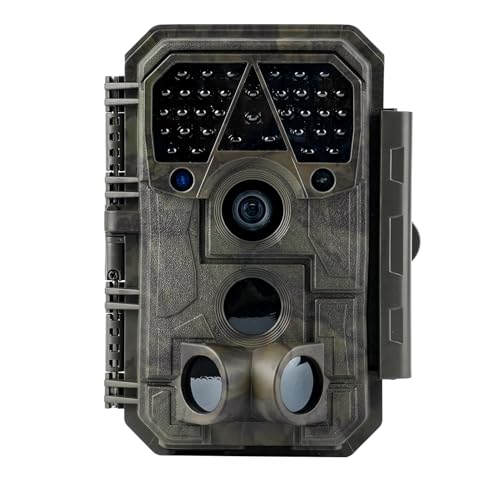
Best for: night work where visible IR would spook the animal Skip it if: you need the smallest, lightest body possible
Wavelength is the whole argument. Meidase specifies 940nm invisible LEDs against WOSPORTS' 850nm, and that difference decides whether a shy animal keeps using the trail after the first flash. The listing claims 100ft of no-glow range, which is a long throw for a camera at this price position, and pairs it with an f/1.6 aperture claim, wider than anything else published here.
Practical touches back it up. The 2.4" colour display lets you frame and check the shot at the tree rather than guessing, which saves the drive back when the camera has been aimed at a patch of bracken. The listing also flags H.264 compression on MP4 and MOV files, so card capacity stretches further and your laptop scrubs through footage without stalling. A 1-year manufacturer warranty is stated.
It's the bulkiest camera here at 3.5 x 7.3 x 4.7 in and 1.08 lb, making it the heaviest pick in the set and noticeably larger than the GardePro. It also sits in the upper price group despite offering no printing, no cellular and no WiFi, all three of which the title spells out. And like the GardePro, it's a watch-and-retrieve device.
Pros:
- 940nm no-glow LEDs, invisible to most mammals
- f/1.6 aperture claim, widest published here
- 2.4" colour screen for on-site framing
- 100ft night vision range claim
- H.264 compression for smaller files
Cons:
- Heaviest pick at 1.08 lb
- Largest footprint at 3.5 x 7.3 x 4.7 in
- Upper price position with no printing
- No WiFi or cellular, stated in the title
3. KODAK Printomatic Full-Color Instant Print Digital Camera — Best for beginners
The Printomatic is the only camera here that produces a full-colour 2x3" print on the spot, and it's the simplest thing in the set to hand to someone who's never used a camera.

Best for: handing a printed shot to a landowner or volunteer Skip it if: you need reach or low-light capability
Colour is the separator. Two other print cameras in this set describe black-and-white thermal output; the Printomatic uses Zink sticky-back paper, and KODAK's listing describes vibrant colour prints with no ink, toner or film cartridge to load. For field documentation that's a real advantage, because plumage and pelt colour is often the identifying detail.
It's genuinely small: 3.5 x 5 x 1 in and 7.05 oz, which is pocketable in a jacket. The listing claims you can shoot a fresh frame while the previous print is still feeding out, useful when you're working a site quickly. A 5MP sensor sits behind an f/2 lens, and images also save to a MicroSD card, so you keep digital copies alongside the paper. The camera dates to 2020, model RODOMATICBL, and a 1-year limited warranty is stated. It ships with 5 sheets.
Two honest limitations. There's no zoom, no long lens, and nothing about weather sealing in the listing, so this is a camera for hands, habitat and close subjects rather than a heron on the far bank. It also sits near the top of this field on price while offering the fewest published specifications of any KODAK here.
Pros:
- Only full-colour instant print in the set
- Compact 3.5 x 5 x 1 in body, 7.05 oz
- Zink paper, no ink or film cartridges
- Saves digital copies to MicroSD
- 1-year limited warranty stated
Cons:
- No weather rating published
- 5 sheets only in the box
- No zoom and no low-light provision
- Near the top of this field on price
4. WOSPORTS Mini Trail Camera — Best budget pick
The WOSPORTS G100 is the cheapest of the seven and the pick that makes running several cameras across a site affordable.

Best for: running three or four cameras across a wide area Skip it if: you want a published warranty
Coverage beats resolution in real fieldwork, and that's the case for this one. It's the cheapest camera in the set, which means the money that buys one Meidase buys a spread of these across several trails. More cameras out means more chances at the animal you're actually after.
The published figures are modest but honest: 30MP photo and 1080p video claims, a PIR motion sensor with what the listing calls a fast trigger, and 850nm infrared for night frames. It weighs 0.73 lb and lists dimensions of 0.2 x 3.9 x 3.9 in, and the listing separately describes a 4.25 x 4.21 x 3.43 in body, so treat the exact footprint as approximate. An adjustable mounting strap is included and the listing recommends placing it 3 to 4 feet from the target area. Waterproof, per the listing, though no IP figure is given.
Two real weaknesses. The 850nm IR emits a faint visible glow, which is exactly what the Meidase avoids at 940nm, so wary animals may clock it. And no warranty is published at all, the only trail camera here without one. It's also the slowest-selling camera in this set.
Pros:
- Cheapest of the seven
- 30MP photo and 1080p video claims
- Mounting strap included in the box
- Light at 0.73 lb
- Waterproof per the listing
Cons:
- 850nm IR glows faintly at night
- No published warranty
- Conflicting dimension figures in the listing
- Slowest seller of the seven
5. ESOXOFFORE Kids Camera Instant Print — Best for families
At 1.13 oz this is by far the lightest camera here, and it's the one to hand a child who's helping you check nest boxes.

Best for: kids logging nest boxes and garden visitors alongside you Skip it if: you want colour prints
Weight is the headline. 1.13 oz is a fraction of the 7.05 oz Printomatic and a rounding error next to the 1.08 lb Meidase, which means a child can wear it on a lanyard all day without complaint. That's not a trivial point on a long survey walk.
The feature list is dense for the price. ESOXOFFORE claims a printed black-and-white sheet within one second of the shutter, a 2.4-inch screen, 1080p video, 16x digital zoom, flash, time-lapse, continuous shooting, filters and MP3 playback. Time-lapse and continuous shooting are the two that actually earn their keep in wildlife use: continuous shooting improves your odds on a bird that won't hold still. Printing is thermal, which the listing describes as carbon-free and odourless. Charging is Type-C. Model ABS-681.
It's the cheapest of the four printing cameras, and the compromises show. Prints are black and white only, so no plumage colour. The warranty is 6 months, the shortest stated in the set. No weight-bearing weather rating is published, and the listing gives no dimensions at all, which makes pocket-fit a guess. The 16x zoom is digital, so it crops rather than reaching.
Pros:
- Lightest camera here at 1.13 oz
- Cheapest of the four printing cameras
- Time-lapse and continuous shooting modes
- Type-C charging, no battery buying
- 2.4-inch screen for review on the spot
Cons:
- Black-and-white prints only
- 6-month warranty, shortest in the set
- No dimensions published
- 16x zoom is digital, not optical
6. CalineGam Kids Instant Print Camera — Most versatile
The CalineGam M7 is the best-equipped printing camera at the low end here, arriving with a 32GB card and 3 paper rolls already in the box.
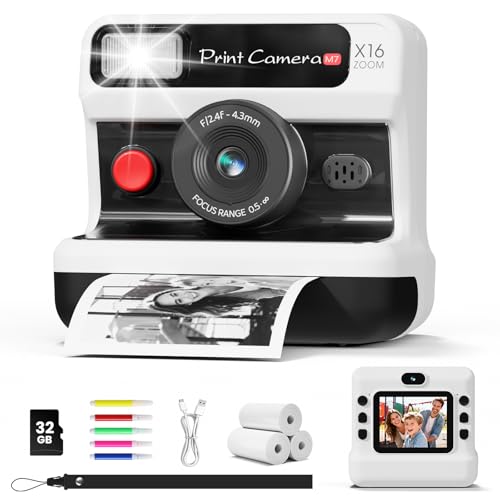
Best for: field days where you print notes and shoot video Skip it if: you need published weight or size figures
What sets this apart in the set is what you don't have to buy. The listing states a built-in 32GB card and 3 paper rolls included, where the Printomatic ships with 5 sheets and the trail cameras ship without batteries or storage at all. That's the difference between shooting on day one and placing a second order.
Dual lenses are the other point of difference, described in the listing as supporting a selfie mode alongside the main camera. For field use the front lens matters less than the spec sheet behind it: 1080p video, 16x digital zoom, a 2.4-inch screen, flash and time-lapse. Prints come out black and white on thermal paper the listing describes as made from child-safe materials, while the screen shows the image in colour. A 1-year warranty is stated, matching the two trail-camera leaders. The count field lists 5, reflecting the bundle rather than five cameras. Model M7.
The listing is thin where it counts for fieldwork. No weight, no dimensions, no weather rating, so you cannot judge whether it fits a chest pocket or survives drizzle without holding one. It's the second-cheapest camera here, and it's also the slowest seller of all seven.
Pros:
- 32GB card built in, no storage to buy
- 3 paper rolls included
- Dual lens with selfie mode
- 1-year warranty stated
- Second-cheapest of the seven
Cons:
- No published weight or dimensions
- Black-and-white prints only
- No weather rating listed
- Slowest seller in this set
7. KODAK Mini Shot 2 Retro 2x3 Instant Camera — Best premium
The Mini Shot 2 Retro delivers the best print quality here, using 4PASS dye sublimation with a laminate layer that survives handling.

Best for: print quality that survives a field notebook Skip it if: you need a pocketable body
Print process is the argument, and it's a strong one. KODAK's listing describes 4PASS dye sublimation laying down three colour layers then finishing with a clear protective lamination. Thermal prints, which two cameras in this set use, fade and mark with handling. A laminated print taped into a survey notebook stays legible, and that's a genuine practical advantage over every other printing pick here.
It's also a Bluetooth printer. The listing describes the KODAK Photo Printer app connecting to iOS and Android devices, meaning frames from your phone or a longer-lens camera can come out as 2x3" sheets. For a wildlife photographer that's the most useful feature in this entire roundup: shoot the animal with real glass, print the record on site. The box includes 38 sheets, the largest bundle in the set by a wide margin.
The costs are real. It's the most expensive pick here, and at 4.57 x 6.42 x 6.06 in it's the chunkiest print camera, roughly a cube rather than something that slips into a pocket. No warranty is published, one of only two cameras here without one. No weight is listed either, and the listing gives no weather protection claim.
Pros:
- 4PASS dye sublimation with laminate layer
- Bluetooth printing from phone or other camera
- 38 sheets included, largest bundle here
- Prints resist handling and fading
Cons:
- Most expensive pick in this set
- Bulky 4.57 x 6.42 x 6.06 in body
- No published warranty
- No weight or weather rating listed
What the listings don't tell you about paper and batteries
Consumables are the running cost nobody puts on the box, and they separate these cameras more than any published specification does.
- Trail cameras need AA batteries you buy separately. The GardePro takes 8xAA, not included. Multiply that across a season of cold-weather use and across three cameras, and it becomes the dominant expense. GardePro's solar panel option is also sold separately.
- Trail cameras need SD cards. None of the three lists a card in the box. The CalineGam, by contrast, states 32GB built in.
- Print paper is proprietary. Zink for the Printomatic, 4PASS cartridges for the Mini Shot 2 Retro, thermal rolls for the two kids' cameras. These aren't interchangeable, so you're committing to one supply chain.
- Bundled sheet counts vary wildly. 5 sheets with the Printomatic, 38 with the Mini Shot 2 Retro, 3 rolls with the CalineGam.
Two other gaps worth naming. Only three listings publish any weather claim, so assume the other four stay indoors or under a jacket. And two of the seven publish no warranty at all, which is the WOSPORTS and the Mini Shot 2 Retro. For gear left in the woods, that's the specification I'd weigh hardest.
When a different pick wins
The GardePro leads for most people, but three concrete conditions flip it.
If your subject is nocturnal and wary, take the Meidase P70. The threshold is IR wavelength. 940nm no-glow, as Meidase specifies, is invisible to most mammals; 850nm, as on the WOSPORTS, produces a faint red glow. Foxes and badgers learn fast. Accept 1.08 lb and a larger body for it.
If you're covering more than one trail, take the WOSPORTS Mini. The cutoff is camera count. Below two cameras, buy the better one. At three or more, coverage wins, and the cheapest pick here is what makes three affordable.
If someone else needs a copy on the spot, take a printing camera. The KODAK Mini Shot 2 Retro is the one I'd pick, because Bluetooth means it prints frames from a proper telephoto rig rather than only its own lens. The Printomatic is the choice if colour prints and a pocketable 7.05 oz body matter more than laminated durability.
One condition that flips nothing: megapixels. A 64MP claim and a 30MP claim on cheap trail cameras land closer together than the numbers suggest.
The verdict
The GardePro E5S is the best budget instant camera for wildlife photographers in this set, and the reason is unglamorous: it's the only camera here with a stated IP66 rating, a 0.1s trigger claim and a three-PIR sensor arrangement in the same body. At 0.66 lb with a 1/4"-20 thread and a 1-year warranty, it's built to be strapped up and left alone, which is the only way most people photograph animals that don't want to be photographed.
Two conditions change the answer. If you work at night on shy species, the Meidase P70 wins on wavelength alone, because its 940nm no-glow LEDs won't announce themselves the way the WOSPORTS' 850nm emitters can, and its f/1.6 aperture claim is the widest published here. If you genuinely need paper in your hand on site, none of the trail cameras will do it, and the KODAK Mini Shot 2 Retro is the one I'd start with because 4PASS printing with a laminate layer produces the only print in this set that survives a field notebook, and Bluetooth lets it print from your main camera.
The runner-up's exact advantage over the winner is night invisibility. The GardePro's edge is everything else: lighter, smaller, standard mounting, and the only published IP rating in the group.
FAQ
Is a budget instant camera worth it for wildlife work?
A budget instant camera is worth it for wildlife work only if you're clear on which half of the category you need. Motion-triggered trail cameras like the GardePro E5S do the actual animal photography, at a fraction of what a long lens costs. Print cameras document sites and hand records to other people. Buy the wrong half and you'll be disappointed regardless of price.
What does more money actually buy in this category?
More money buys print process and night capability, not resolution. The most expensive pick here, the KODAK Mini Shot 2 Retro, spends it on 4PASS dye sublimation with a laminate layer and Bluetooth printing. The Meidase P70 spends it on 940nm no-glow LEDs and an f/1.6 aperture claim. The cheapest pick, the WOSPORTS Mini, still claims 30MP and 1080p.
Which is better, the GardePro E5S or the Meidase P70?
Between the GardePro E5S and the Meidase P70, the choice comes down to darkness. Both claim 0.1s triggers and 64MP. GardePro adds a stated IP66 rating, three PIR sensors, a 1/4"-20 thread and a lighter 0.66 lb body. Meidase counters with 940nm invisible IR at a claimed 100ft, an f/1.6 lens and a 2.4-inch screen, in a heavier 1.08 lb shell.
Do any of these cameras print in colour?
Only one of these cameras prints in colour: the KODAK Printomatic, using 2x3" Zink sticky-back paper. The KODAK Mini Shot 2 Retro also produces colour via 4PASS dye sublimation with three colour layers. The ESOXOFFORE and CalineGam both use thermal printing and output black and white only, though both show the image in colour on their 2.4-inch screens first.
What is the biggest mistake buying a cheap trail camera?
The biggest mistake buying a cheap trail camera is choosing on megapixels and ignoring infrared wavelength. An 850nm emitter, like the WOSPORTS Mini uses, glows faintly red at night and educated animals notice it. A 940nm no-glow system, as the Meidase P70 specifies, stays invisible. The second mistake is forgetting that batteries and SD cards are almost never included.
Start by deciding whether you need a camera that watches or a camera that prints, because nothing in this set does both and the two answers barely overlap. If the animal is the point, strap up the GardePro E5S near a trail you already know gets traffic, put fresh AAs in it, and leave it a full week before you check the card. Patience is the specification no listing publishes. The E5S is the right default because it asks the least of you once it's mounted: IP66 sealing, a standard thread, three sensors watching, and nothing to do but come back.